
Operations specialist
Reviews intake, resolves exceptions and knows where each case is.
SIFYBOX · Workflows, documents and approvals
A deployable platform for forms, workflow, document generation, budget checks, delegation, signatures and trusted storage.
Start with the situation
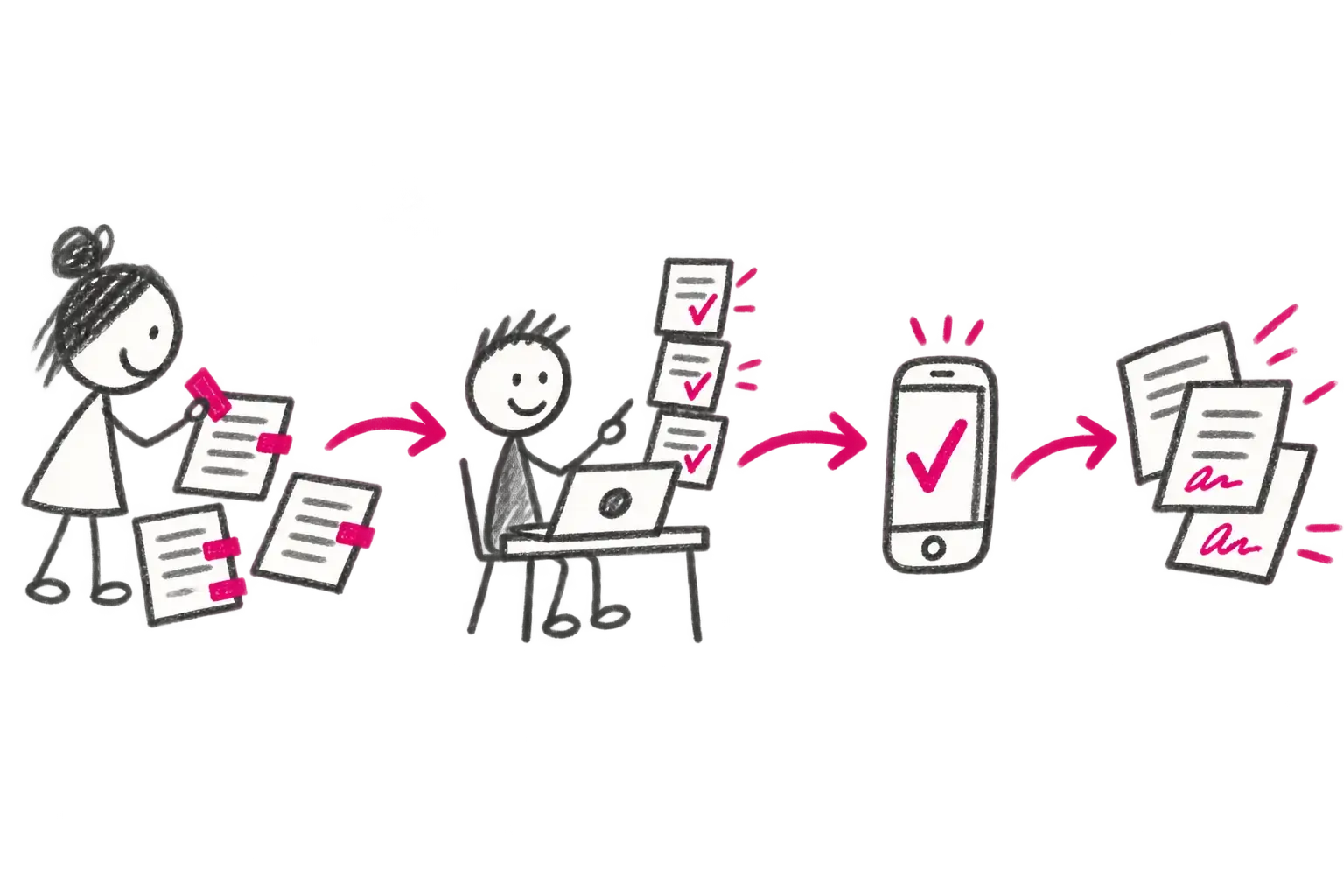
The laptop and token stayed at home. An assistant prepares the documents and signing positions; a connected remote service lets the executive select and sign from a phone.
View this situation →
Intake, extraction, validation, budget, approval and ERP hand-off.
View this situation →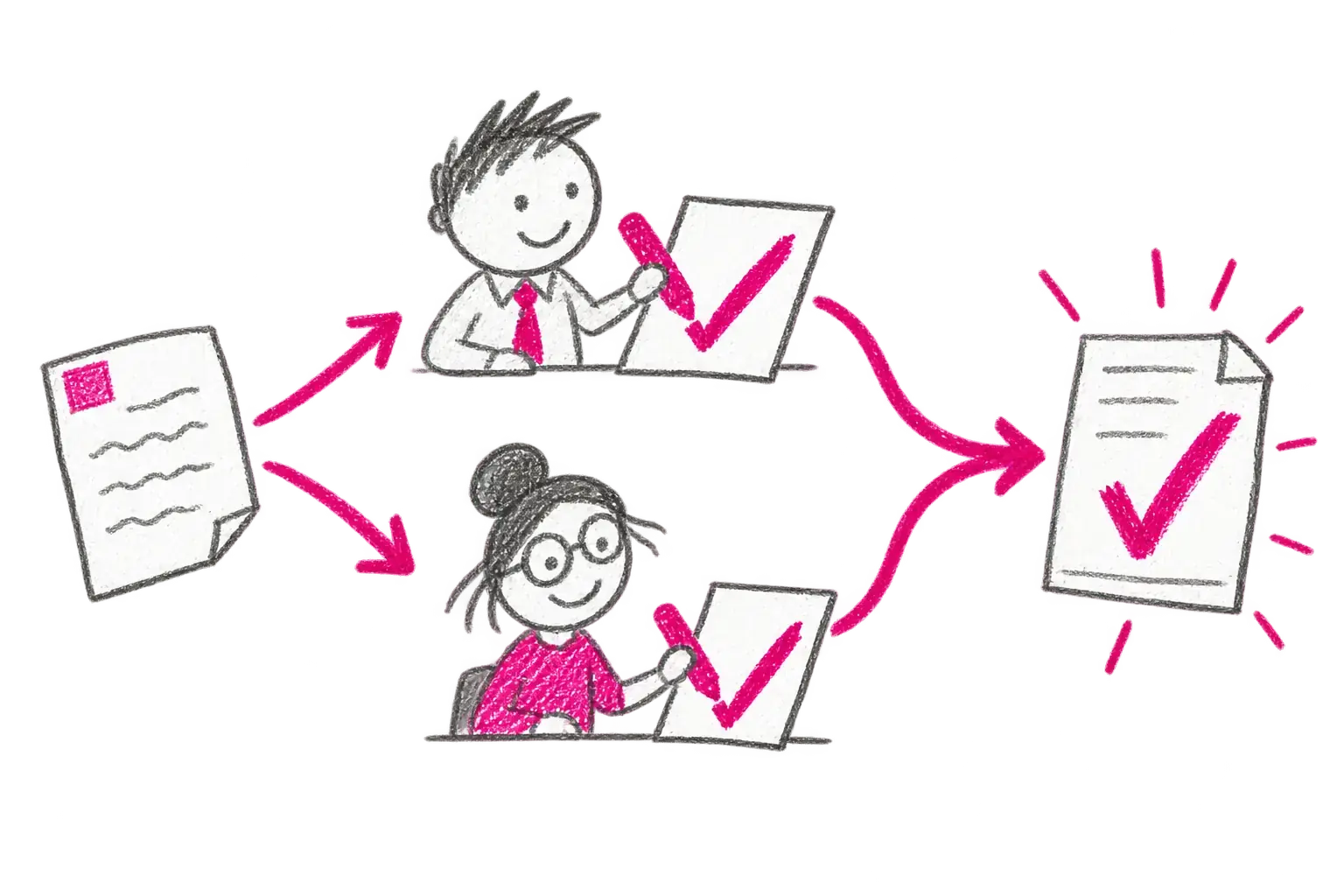
Authoriser, budget controller and accountant with evidence and an audit trail.
View this situation →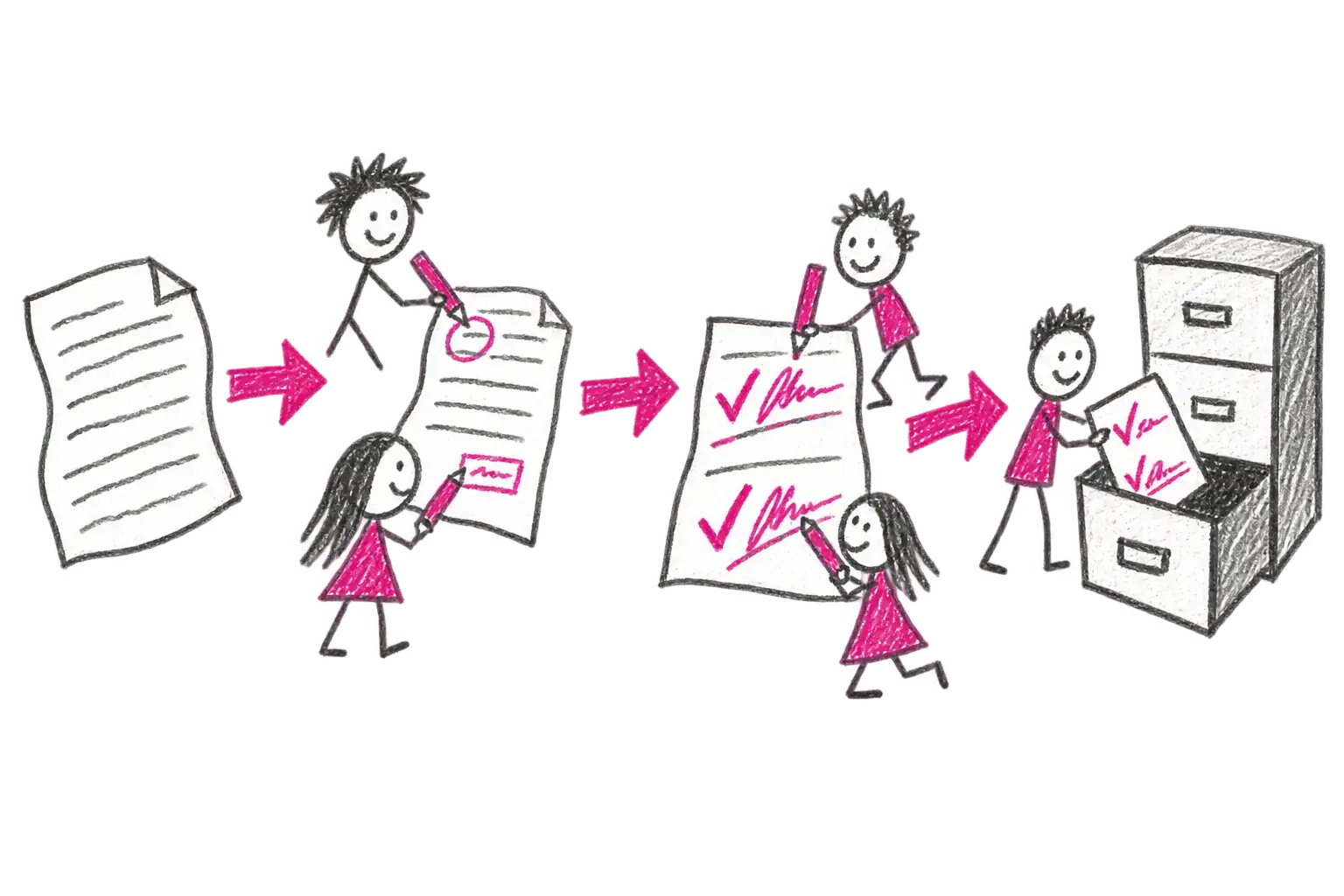
Template, review, approval, signature, storage and records hand-off.
View this situation →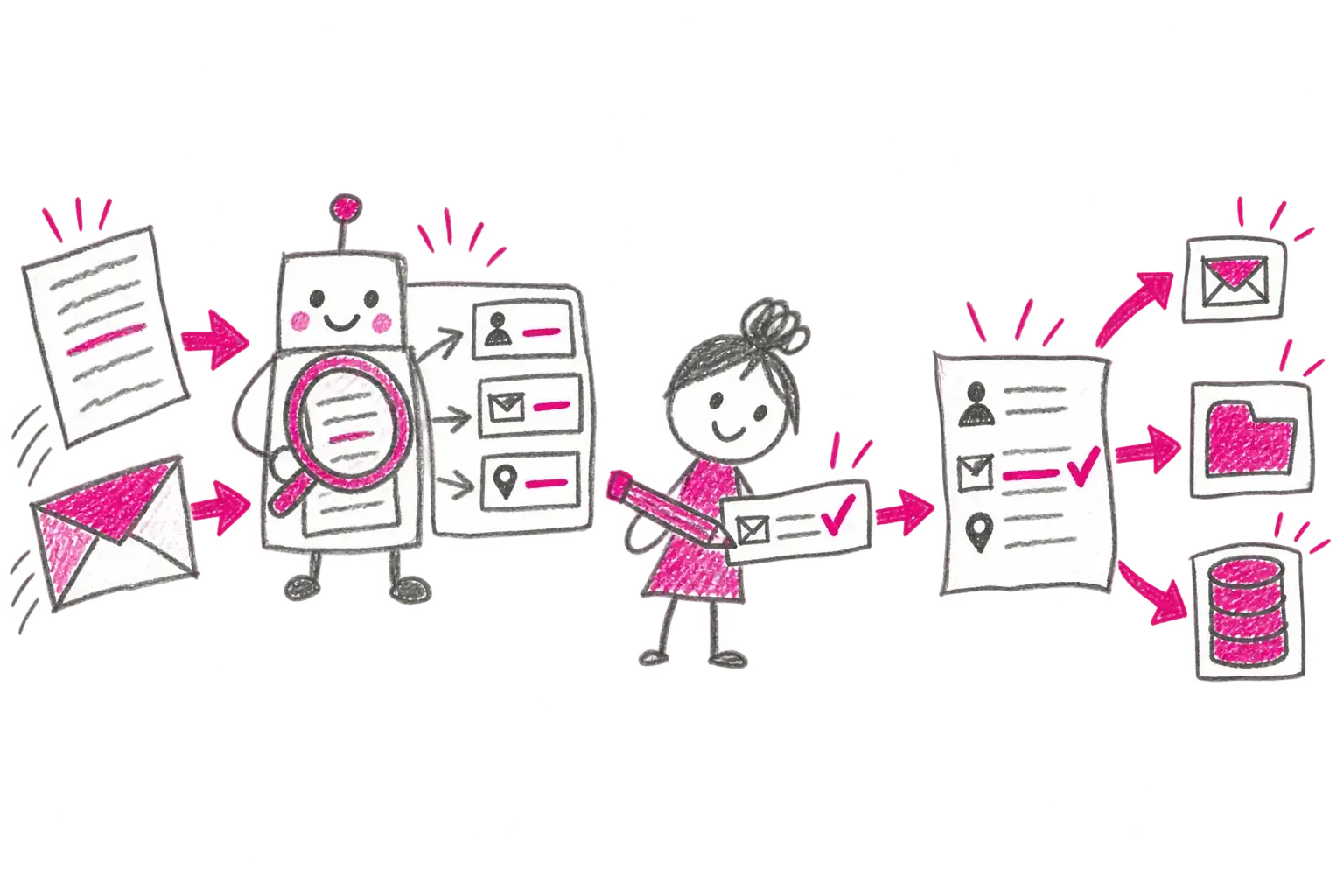
Local, cloud or hybrid extraction with human review.
View this situation →Internal control
SIFYBOX connects responsible roles, control order, funding, delegation and the audit trail in one managed workflow. The organisation defines its rules and responsibilities; the system helps enforce and evidence them.
The Czech Act on the Management and Control of Public Finances takes effect on 1 January 2027. These functions support a managed workflow and audit trail; they do not by themselves guarantee that a deployment complies with the law. The responsible organisation must confirm its rules.
How internal control works →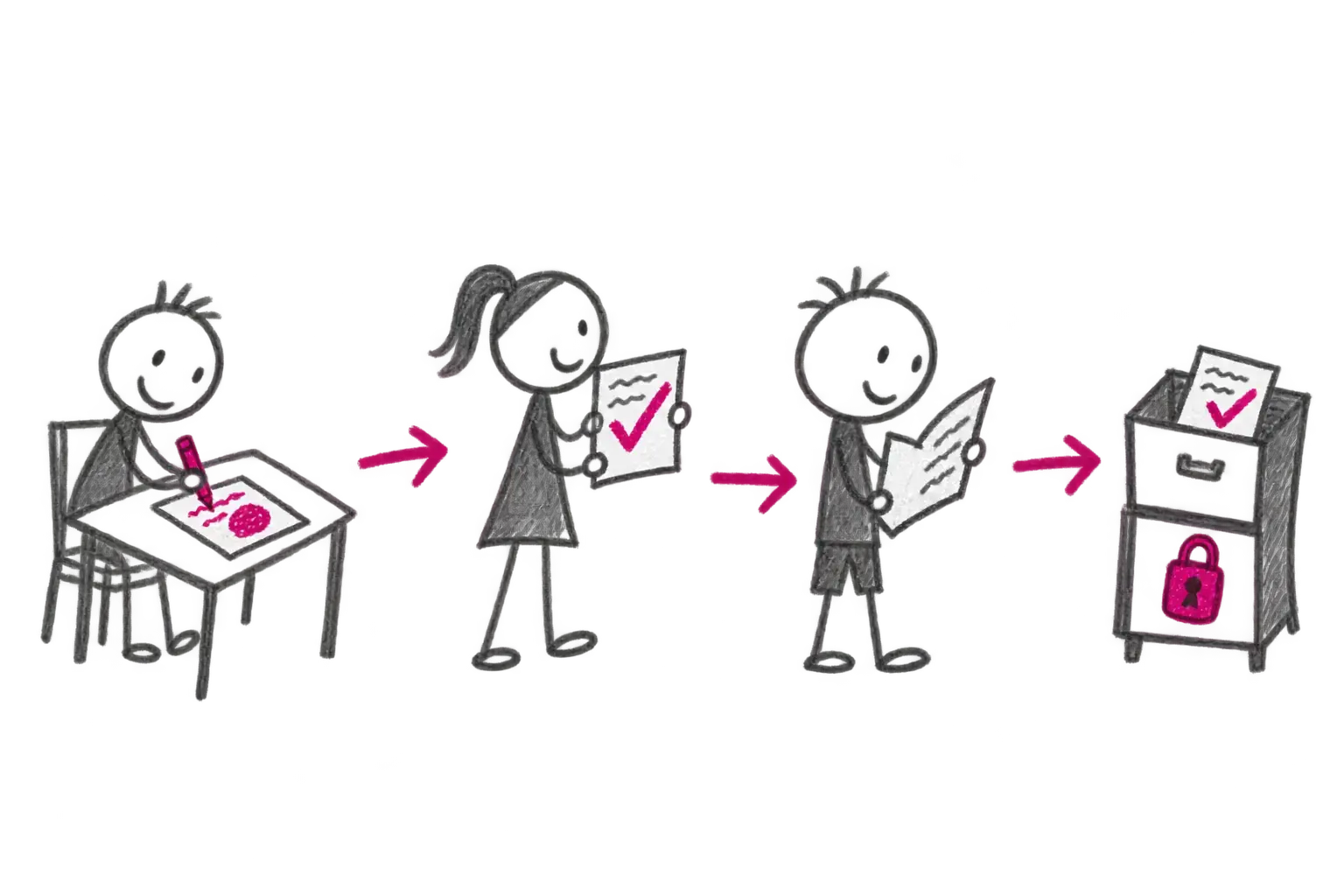
An outcome that stays the same
Just as a completed paper file used to go into a cabinet, SIFYBOX stores the final document in CUL or hands it to records management. Its inputs, decisions, signatures and audit relationship remain traceable.
The outcome does not need to be reconstructed later by the current application version. What was actually approved and issued remains preserved even if rules, print layouts or rounding have changed.
CUL is the operational document layer. Where formal records management applies, the connected certified e-records system remains authoritative.
For whom
What changes
Documents stop moving manually between email, spreadsheets and ERP.
Defined roles, limits, sequence and four-eyes approval are enforced in the workflow.
Operations teams see queues and exceptions; management receives a traceable outcome.
Reusable process building blocks reduce one-off development.
From input to outcome
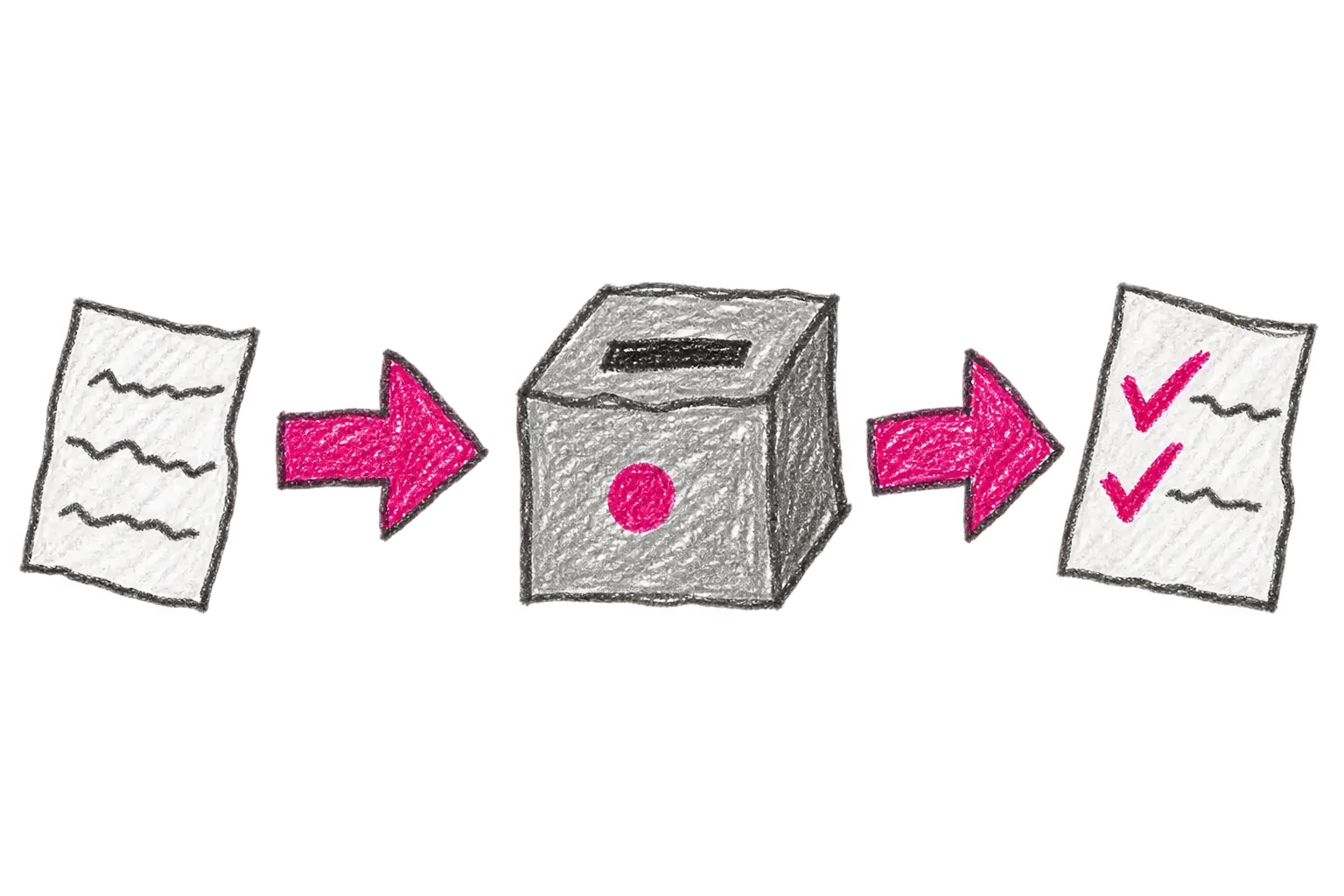
A form, PDF, email or API payload becomes one controlled case.
The system prepares the data and a person resolves only uncertain or invalid values.
The workflow applies funding, delegation and independent approvals under organisational rules.
The document is signed and stored, then handed to accounting, finance or records management.
User perspectives
Reviews intake, resolves exceptions and knows where each case is.
Sees supporting data, budgets and prior decisions; can approve, return or reject.
Receives controlled data and documents ready for the finance system without rekeying.
Gets evidence of decisions, segregation of duties and exceptions.
Integrations
Deployment and delivery
Next step
Bring one real case. We will separate standard product scope, integrations and decisions your organisation needs to make.
Discuss a specific caseGo to documentation →